Guide
Omega-3 vs Omega-6: Why the Ratio Matters
Omega-3 vs omega-6 ratio: why the modern diet gets it wrong, optimal targets, and how to rebalance for reduced inflammation. Science-backed guide 2026.
This post contains affiliate links. We may earn a commission at no extra cost to you.
Omega-3 vs Omega-6: Why the Ratio Matters
By Dr. Elena Ross, Registered Nutritionist | Last updated March 2026
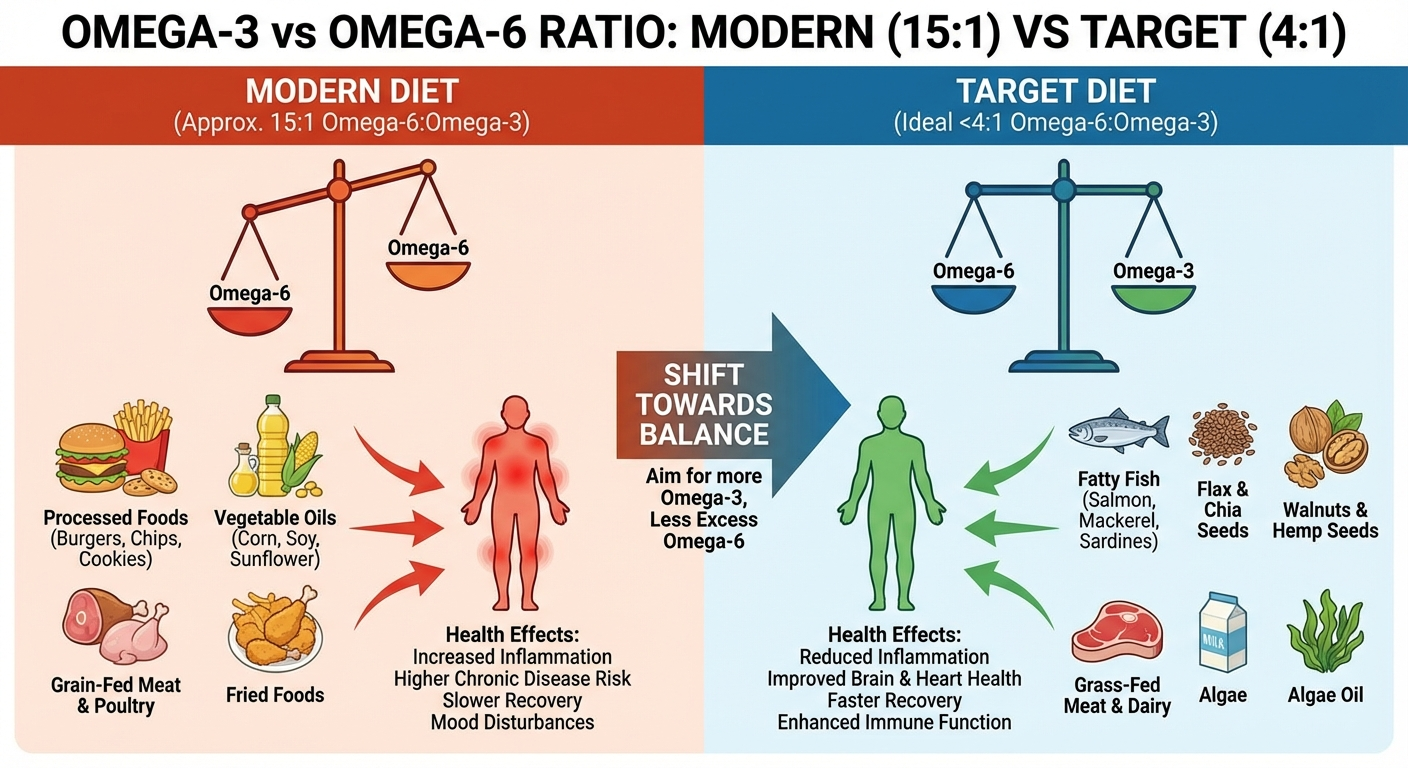
The modern Western diet has an omega-6 to omega-3 ratio of approximately 15:1 to 20:1 — far from the 2:1 to 4:1 ratio humans evolved on. This shift drives chronic low-grade inflammation by flooding the body with pro-inflammatory eicosanoid precursors while starving it of anti-inflammatory omega-3 derivatives. Understanding and correcting this ratio is one of the most evidence-supported dietary interventions for reducing systemic inflammation.
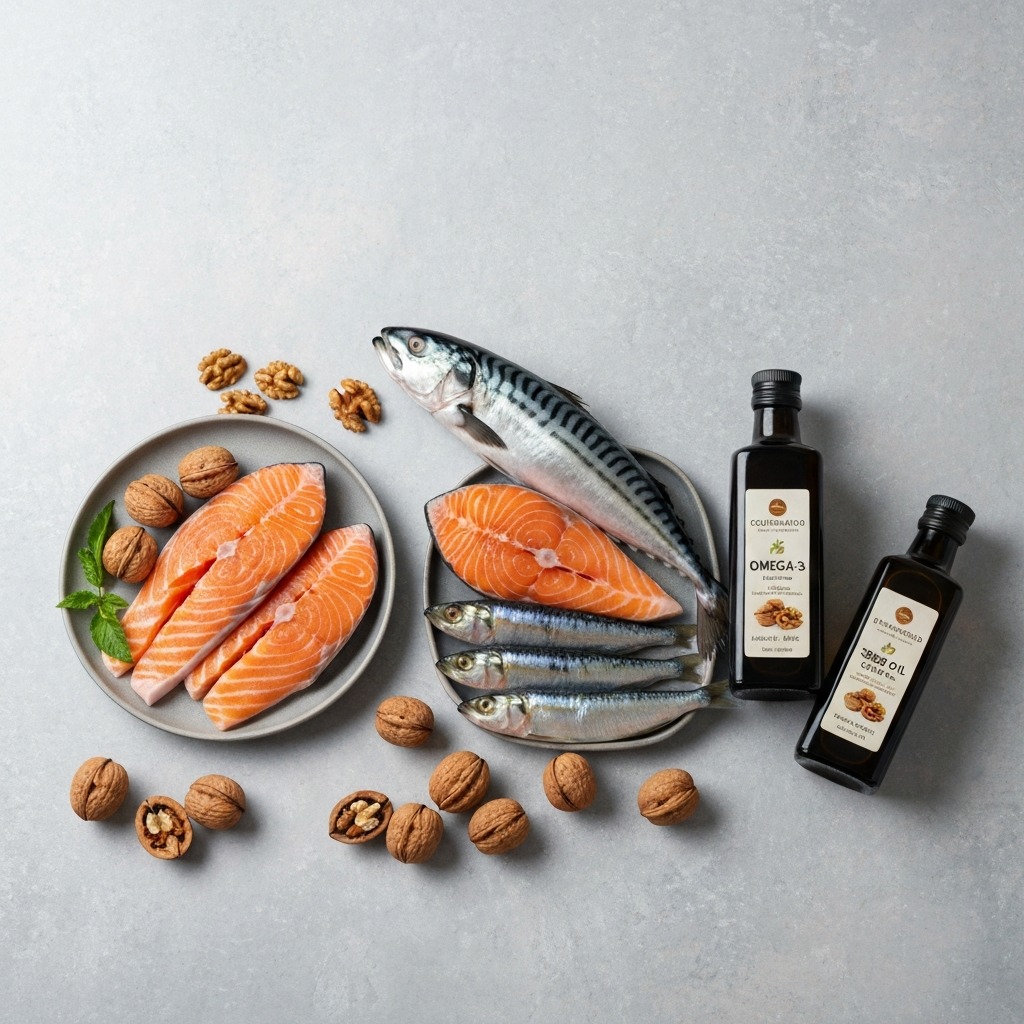
Table of Contents
- What Are Omega-3 and Omega-6 Fatty Acids?
- Why the Ratio Got So Wrong
- How the Ratio Affects Inflammation
- Optimal Ratio Targets
- How to Rebalance Your Ratio
- Top Omega-3 Foods and Supplements
- Frequently Asked Questions
- Sources & Methodology
What Are Omega-3 and Omega-6 Fatty Acids?
Both omega-3 and omega-6 are polyunsaturated fatty acids (PUFAs) — essential fats that the body cannot synthesise and must obtain from food. They are structurally similar but functionally quite different.
Omega-6 Fatty Acids
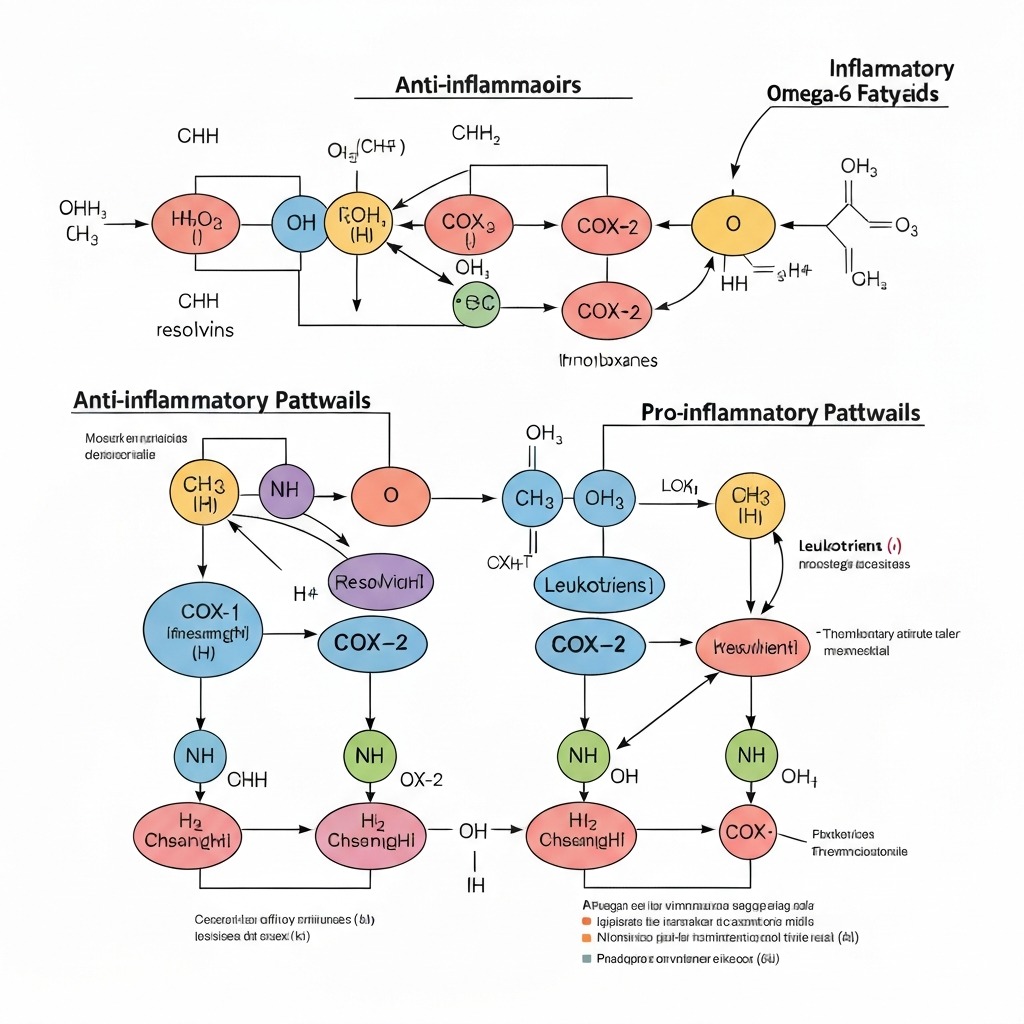
The primary omega-6 is linoleic acid (LA), found in most seed and vegetable oils. The body converts LA to arachidonic acid (AA), which is the precursor to many pro-inflammatory eicosanoids (prostaglandins, thromboxanes, leukotrienes). This is not inherently bad — you need some inflammatory signalling for immune function. The problem is excess.
Omega-3 Fatty Acids
The three key omega-3s:
- ALA (alpha-linolenic acid): from plants (flaxseed, walnuts, chia). Converts poorly to the active forms.
- EPA (eicosapentaenoic acid): from fatty fish and algae. Precursor to anti-inflammatory eicosanoids.
- DHA (docosahexaenoic acid): from fatty fish and algae. Critical for brain function and anti-inflammatory signalling.
The Competition Dynamic
Omega-6 and omega-3 fatty acids compete for the same elongase and desaturase enzymes (delta-5 and delta-6 desaturase). When dietary omega-6 is 15–20× higher than omega-3, it dominates these enzymes — suppressing the conversion of EPA/DHA into anti-inflammatory eicosanoids while maximising the production of pro-inflammatory arachidonic acid derivatives.
Why the Ratio Got So Wrong

The shift happened over approximately 150 years — fast in evolutionary terms, catastrophic for inflammation management:
The Seed Oil Revolution
Before industrial food processing, dietary fat came primarily from animal fat, butter, coconut oil, and olive oil. These are predominantly saturated and monounsaturated fats with modest PUFA content. Seed oils (sunflower, soybean, corn, safflower) are 50–75% linoleic acid (omega-6).
The industrial production and mass adoption of these oils — starting in the early 20th century and accelerating post-World War II — drove the omega-6:omega-3 ratio from ~4:1 to ~15–20:1 within decades.
The Decline of Fatty Fish Consumption
Simultaneously, consumption of fatty cold-water fish (salmon, mackerel, herring, sardines, anchovies) declined as diets became more processed and inland food distribution improved. These fish are the primary dietary EPA/DHA source.
Livestock Feed Changes
Conventional livestock fed grain (corn, soy) have a poor omega-6:omega-3 ratio in their meat. Grass-fed beef, pasture-raised pork, and free-range eggs have significantly better ratios — closer to the ancestral baseline.
How the Ratio Affects Inflammation
Multiple clinical studies have documented the inflammatory consequences of poor omega-6:omega-3 ratios:
Elevated Inflammatory Markers
A systematic review published in Prostaglandins, Leukotrienes and Essential Fatty Acids (2018) found that higher dietary omega-6:omega-3 ratios correlated with significantly elevated:
- CRP (C-reactive protein): the primary systemic inflammation marker
- IL-6: a pro-inflammatory cytokine associated with chronic disease risk
- TNF-alpha: a key inflammatory mediator linked to cardiovascular disease
- Arachidonic acid in blood: direct proxy for omega-6 dominance
Cardiovascular Disease Risk
The PREDIMED study, following 7,447 individuals over 5 years, found that higher omega-3 intake relative to omega-6 was associated with a 30% reduced risk of cardiovascular events. The Lyon Diet Heart Study found similar protective effects from Mediterranean-style eating that naturally improves the omega-3:omega-6 ratio.
Brain and Mental Health
The brain is approximately 60% fat, with DHA comprising a significant portion of neuronal membrane phospholipids. Research links low omega-3 status with increased depression, anxiety, and cognitive decline risk. The omega-6:omega-3 ratio in brain tissue directly reflects dietary patterns.
For more on how omega-3 and dietary anti-inflammatory patterns affect sleep and inflammation, the connection is significant — poor sleep quality is strongly correlated with inflammatory markers that omega-3 helps modulate.
Optimal Ratio Targets
What ratio should you aim for?
| Population | Typical Ratio | Health Outcome |
|---|---|---|
| Hunter-gatherer diet | 1:1 to 4:1 | Basis for dietary targets |
| Traditional Mediterranean | 4:1 | Low cardiovascular disease |
| Modern Western diet | 15:1 to 20:1 | Elevated chronic disease rates |
| Target for reduced inflammation | Below 5:1 | Validated in intervention studies |
The practical target: aim for 4:1 or below. You don't need to be perfect — even moving from 15:1 to 8:1 produces measurable anti-inflammatory benefits.
How to Rebalance Your Ratio
Two levers: increase omega-3 and reduce omega-6. Both are needed — you can't supplement your way out of a diet dominated by seed oils.
Reduce Omega-6 (The Harder Step)
Switch cooking oils:
- Out: sunflower, safflower, corn, soybean, vegetable oil
- In: olive oil (for low-medium heat), avocado oil (for high heat), butter or ghee, coconut oil
This single change dramatically reduces omega-6 intake for most Western households. Seed oils are in almost all restaurant food, packaged snacks, salad dressings, and processed foods.
Reduce ultra-processed food: Most processed foods use soybean or sunflower oil. Reducing processed food intake is the fastest way to cut omega-6.
Choose grass-fed meat and pastured eggs: The omega-6:omega-3 ratio in grass-fed beef (~2:1) is significantly better than grain-fed (~6:1). Pastured eggs contain significantly more DHA than conventional eggs.
Increase Omega-3 (The More Enjoyable Step)
Eat fatty fish 2–3 times weekly:
- Salmon (2,300mg EPA+DHA per 100g)
- Mackerel (2,800mg per 100g)
- Herring (2,400mg per 100g)
- Sardines (2,200mg per 100g)
- Anchovies (2,100mg per 100g)
Wild-caught tends to have a better omega-3:omega-6 ratio than farmed, though farmed Atlantic salmon still provides substantial EPA/DHA.
Add walnuts and seeds:
- Walnuts: 2,570mg ALA per 28g (one small handful)
- Chia seeds: 5,060mg ALA per 28g
- Flaxseeds: 6,380mg ALA per 28g
These provide ALA, which converts to EPA/DHA at only 5–15% efficiency — helpful but not a substitute for marine omega-3.
Top Omega-3 Foods and Supplements

Nordic Naturals Ultimate Omega
Best for: High-dose EPA+DHA
Content: 1280mg EPA+DHA per 2 softgels
Check on Amazon →
Carlson Labs Elite Omega-3
Best for: Value per mg EPA+DHA
Content: 1600mg EPA+DHA per 2 softgels
Check on Amazon →
iWi Algae Omega-3 (Vegan)
Best for: Vegan/vegetarian EPA+DHA
Content: 450mg DHA+EPA per 2 capsules
Check on Amazon →
Viva Naturals Triple Strength
Best for: Budget-friendly quality
Content: 2200mg EPA+DHA per 2 softgels
Check on Amazon →
Wild Planet Wild Sockeye Salmon
Best for: Food-first omega-3 source
Content: ~1700mg EPA+DHA per can
Check on Amazon →<video autoPlay muted loop playsInline poster="/images/articles/omega-3-vs-omega-6-ratio-thumb.jpg" style={{width:"100%",borderRadius:"8px",margin:"1.5rem 0"}}>
Frequently Asked Questions
What is the optimal omega-3 to omega-6 ratio? Target below 5:1 (ideally 4:1). The modern Western diet averages 15:1 to 20:1. Even reducing to 8:1 produces measurable inflammation benefits.
What foods are high in omega-3? Fatty fish (salmon, mackerel, herring, sardines), walnuts, flaxseeds, chia seeds. Marine sources (EPA/DHA) are directly bioavailable; plant sources (ALA) convert inefficiently.
How long does it take to improve the ratio? Plasma levels respond in 4–6 weeks. Red blood cell membrane changes take 3–4 months. Anti-inflammatory benefits measurable in 8–12 weeks.
Can you get enough omega-3 without fish? Yes — algae-based omega-3 supplements provide EPA/DHA directly without fish. 250–500mg DHA+EPA daily meets basic requirements.
Sources & Methodology
- Simopoulos AP (2002). The importance of the ratio of omega-6/omega-3 essential fatty acids. Biomedicine & Pharmacotherapy, 56(8).
- Calder PC (2015). Marine omega-3 fatty acids and inflammatory processes. Biochimica et Biophysica Acta, 1851(4).
- Harris WS et al. (2009). Omega-6 fatty acids and risk for cardiovascular disease. Circulation, 119(6).
- PREDIMED study group (2013). Primary prevention of cardiovascular disease with a Mediterranean diet. NEJM, 368.
- Simopoulos AP (2016). An increase in the omega-6/omega-3 fatty acid ratio increases the risk for obesity. Nutrients, 8(3).
Dr. Elena Ross is a Registered Nutritionist with specialisation in anti-inflammatory dietary interventions. She holds a PhD in Nutritional Biochemistry from King's College London.
Practical Meal Planning for Better Omega Balance

Making ratio improvement practical requires knowing where the most impactful changes are:
The 3 Highest-Impact Changes (In Order)
1. Switch your cooking oil (30–40% reduction in omega-6 intake for typical households). Replace sunflower, corn, or vegetable oil with olive oil or avocado oil for all cooking. This single change can shift your ratio from 20:1 to 12:1 without any other modification.
2. Add fatty fish 2–3× weekly. Wild salmon or mackerel twice a week adds approximately 4,000–5,000mg EPA+DHA to your weekly intake. Combined with step 1, this typically moves the ratio below 8:1.
3. Take a quality fish oil supplement. For people who cannot reliably eat fatty fish 2–3× weekly, 1,000–2,000mg EPA+DHA daily from fish oil fills the gap. Use a triglyceride-form supplement for better absorption (most quality brands, including those recommended above).
A Sample Week of Omega-Balanced Eating
Monday: Grilled salmon (lunch or dinner) with olive oil dressed salad. Switch any processed snacks for walnuts.
Tuesday: Red meat (grass-fed beef preferred). Add a tablespoon of flaxseed to breakfast.
Wednesday: Sardines on whole grain toast (lunch) or mackerel fillet. Avocado with eggs for breakfast.
Thursday: Chicken or legumes. Continue flaxseed at breakfast. Walnuts as snack.
Friday: Salmon or herring (second fish serving of the week). Olive oil in cooking.
Saturday/Sunday: Flexibility — but maintain the cooking oil change and continue walnuts or seeds.
This pattern delivers approximately 3,500–4,500mg EPA+DHA weekly from food alone — before any supplementation — while reducing omega-6 from the baseline.
Omega-3 Supplementation: What to Know Before Buying
If you are supplementing, these factors determine whether you get value:
Form Matters: Triglyceride vs Ethyl Ester
Fish oil supplements come in two main forms:
- Triglyceride form: More expensive, but ~70% higher bioavailability. Used by Nordic Naturals, Wild Fish Oil, and most premium brands.
- Ethyl ester form: Cheaper to produce, lower absorption. Many supermarket brands use this.
The triglyceride form is worth the price premium. At the same dose, you absorb significantly more EPA+DHA.
Dosage: What Actually Moves the Ratio
For general anti-inflammatory support: 1,000–2,000mg EPA+DHA combined daily.
For specific inflammation management (joint pain, elevated CRP): 2,000–4,000mg EPA+DHA may be needed, always in consultation with a healthcare provider.
High-dose omega-3 supplementation (above 3,000mg daily) can affect blood clotting time — consult your doctor if you are on blood-thinning medications.
Freshness: The Rancidity Problem
Fish oil oxidises after manufacturing. Rancid fish oil is not just ineffective — some research suggests oxidised omega-3 may be pro-inflammatory. Indicators of quality:
- No fishy burp/aftertaste (if it smells fishy when you open the capsule, it's oxidised)
- Refrigerate after opening
- Look for brands with IFOS (International Fish Oil Standards) certification
- Check the oxidation markers (TOTOX score) — quality brands publish these
Testing Your Omega-3 Status
The Omega-3 Index (EPA+DHA as percentage of total red blood cell fatty acids) is the gold standard measurement. Target >8% is associated with lowest cardiovascular risk. Home test kits (OmegaQuant) are available for $40–$60 and give you a baseline and measurable progress metric.
Omega-3 for Specific Conditions
Cardiovascular Disease Prevention
The strongest evidence base exists here. Icosapentaenoic acid (EPA) has a specific cardiovascular benefit independent of DHA — high-dose EPA supplements (like Vascepa/icosapent ethyl) have shown 25–28% cardiovascular event reduction in high-risk patients in RCTs.
Joint Pain and Arthritis
Multiple meta-analyses confirm omega-3's effectiveness for reducing joint pain and morning stiffness in rheumatoid arthritis. Doses of 2,000–4,000mg EPA+DHA daily show NSAIDs-comparable pain reduction in some studies without the GI side effects.
Metabolic Syndrome and Insulin Resistance
Omega-3 fatty acids improve insulin sensitivity through multiple mechanisms. Studies in adults with metabolic syndrome show reduced fasting triglycerides (20–30% reduction at 3,000mg daily), improved HDL:LDL ratio, and reduced inflammatory markers.
Depression and Anxiety
A 2016 meta-analysis in JAMA Psychiatry found omega-3 supplementation had a significant anti-depressant effect, particularly formulations with higher EPA content. This is consistent with the anti-inflammatory pathway — inflammation is a well-established contributor to depressive symptoms.
For people dealing with both inflammation and poor sleep, the connection between sleep and inflammation is also relevant — omega-3 may improve sleep quality through anti-inflammatory effects on sleep-regulating pathways.
For more nutritional strategies to reduce inflammation, also see our guides on anti-inflammatory foods guide, anti-inflammatory supplements, and turmeric for inflammation.