Guide
Anti-Inflammatory Diet for Arthritis: What to Eat (2026 Guide)
The anti-inflammatory diet for arthritis can reduce joint pain and swelling naturally. This guide covers the best foods to eat and avoid, with a 7-day meal plan for arthritis relief.
The anti-inflammatory diet for arthritis centres on omega-3-rich fish, colourful vegetables, extra virgin olive oil, and whole grains — foods proven to suppress joint inflammation at the molecular level. Research shows this dietary pattern reduces C-reactive protein by up to 30%, improves joint pain scores within 4–8 weeks, and in some trials matches the effectiveness of low-dose NSAIDs. Below is the complete, evidence-based guide to what you should eat, what to avoid, and a ready-to-use 7-day arthritis meal plan.
This post contains affiliate links. We may earn a commission at no extra cost to you.
By Dr. Sarah Mitchell, PhD Nutritional Biochemistry · Last updated March 21, 2026
Table of Contents
- 1. Understanding Arthritis and Inflammation
- 2. The Mediterranean Diet: What the Evidence Shows
- 3. Best Anti-Inflammatory Foods for Arthritis
- 4. Foods to Avoid with Arthritis
- 5. 7-Day Anti-Inflammatory Meal Plan for Arthritis
- 6. Supplement Recommendations for Arthritis
- 7. Putting It All Together
- 8. Frequently Asked Questions
- 9. Sources
Understanding Arthritis and Inflammation
Arthritis isn't a single disease. It's an umbrella term covering more than 100 conditions that cause pain, swelling, and stiffness in and around the joints. Understanding which type you're dealing with is the first step toward choosing the right dietary strategy.
Types of Arthritis That Respond to Diet
Osteoarthritis (OA) is the most common form, affecting over 32.5 million adults in the United States alone. It occurs when the protective cartilage cushioning the ends of bones wears down over time. While historically viewed as a purely mechanical "wear and tear" disease, researchers now recognise that low-grade chronic inflammation plays a central role in OA progression. Damaged cartilage releases debris into the joint space, triggering an inflammatory cascade that accelerates further cartilage destruction.
Rheumatoid arthritis (RA) is an autoimmune condition where the immune system mistakenly attacks the synovial membrane lining the joints. The resulting chronic inflammation causes swelling, pain, and eventual joint erosion. RA affects approximately 1.3 million Americans and typically presents in the hands, wrists, and feet symmetrically.
Psoriatic arthritis develops in some people with the skin condition psoriasis. It shares autoimmune characteristics with RA but follows distinct inflammatory pathways, often affecting the distal joints of the fingers and toes, the spine, and the entheses (where tendons attach to bone).
Gout is a form of inflammatory arthritis caused by uric acid crystal deposition in the joints, most commonly the big toe. It is the most directly diet-responsive arthritis type, with specific dietary triggers that can provoke or prevent flares.
How Food Drives — or Dampens — Joint Inflammation
The body's master inflammatory switch is the NF-κB signalling pathway. When activated by infection, injury, or certain dietary compounds, NF-κB triggers the release of pro-inflammatory cytokines: TNF-α, IL-1β, and IL-6. In arthritis, this pathway remains chronically activated, perpetuating joint damage even when there's no acute threat.
Several dietary compounds directly modulate NF-κB:
- Omega-3 fatty acids (EPA and DHA from fish) suppress NF-κB activation and reduce TNF-α and IL-6 production
- Curcumin (in turmeric) blocks NF-κB signalling at the molecular level
- Oleocanthal (in extra virgin olive oil) inhibits COX-1 and COX-2 enzymes, the same targets as ibuprofen
- Anthocyanins (in berries) inhibit both NF-κB and MAPK inflammatory pathways
- Resveratrol (in red grapes) suppresses multiple inflammatory mediators
Conversely, refined sugar, trans fats, and advanced glycation end-products (AGEs from charred meats) directly activate NF-κB, pouring fuel on the inflammatory fire.

The Mediterranean Diet: What the Evidence Shows
The Mediterranean dietary pattern has the strongest body of evidence for arthritis management of any dietary approach studied to date. It isn't a rigid meal plan but a framework built on whole foods: abundant vegetables and fruits, oily fish two to three times per week, olive oil as the primary fat source, legumes, whole grains, nuts, and moderate amounts of poultry and dairy, with minimal red meat, processed food, and sugar.
Clinical Trial Evidence
A 2020 systematic review published in Rheumatology International analysed 14 randomised controlled trials examining dietary interventions for RA. The Mediterranean diet showed the strongest and most consistent evidence for reducing Disease Activity Score-28 (DAS28), the standard clinical measure of RA severity. Several trials reported improvements comparable to low-dose NSAID therapy.
A landmark 2018 study in the Annals of the Rheumatic Diseases followed 168 RA patients for 12 weeks. Those assigned to a Mediterranean diet showed a 14% reduction in DAS28 scores, a 20% reduction in CRP levels, and significant improvements in self-reported pain and morning stiffness compared to the control group eating their usual diet.
For osteoarthritis, a 2015 study published in Clinical Nutrition found that adherence to a Mediterranean diet was inversely associated with knee OA prevalence, with the highest-adherence group showing 29% lower odds of symptomatic knee OA.
Why It Works for Arthritis Specifically
The Mediterranean diet targets multiple inflammatory pathways simultaneously — this is its primary advantage over single-nutrient approaches. The omega-3s from fish suppress NF-κB. The polyphenols from olive oil inhibit COX enzymes. The fibre from vegetables and legumes feeds gut bacteria that produce short-chain fatty acids (particularly butyrate), which have systemic anti-inflammatory effects. The antioxidants from berries, tomatoes, and leafy greens neutralise reactive oxygen species that contribute to cartilage degradation.
For a complete introduction to this eating pattern, see our anti-inflammatory diet beginners 7-day meal plan, which walks through the basics step by step.
Best Anti-Inflammatory Foods for Arthritis
Omega-3-Rich Fish: The Top Priority
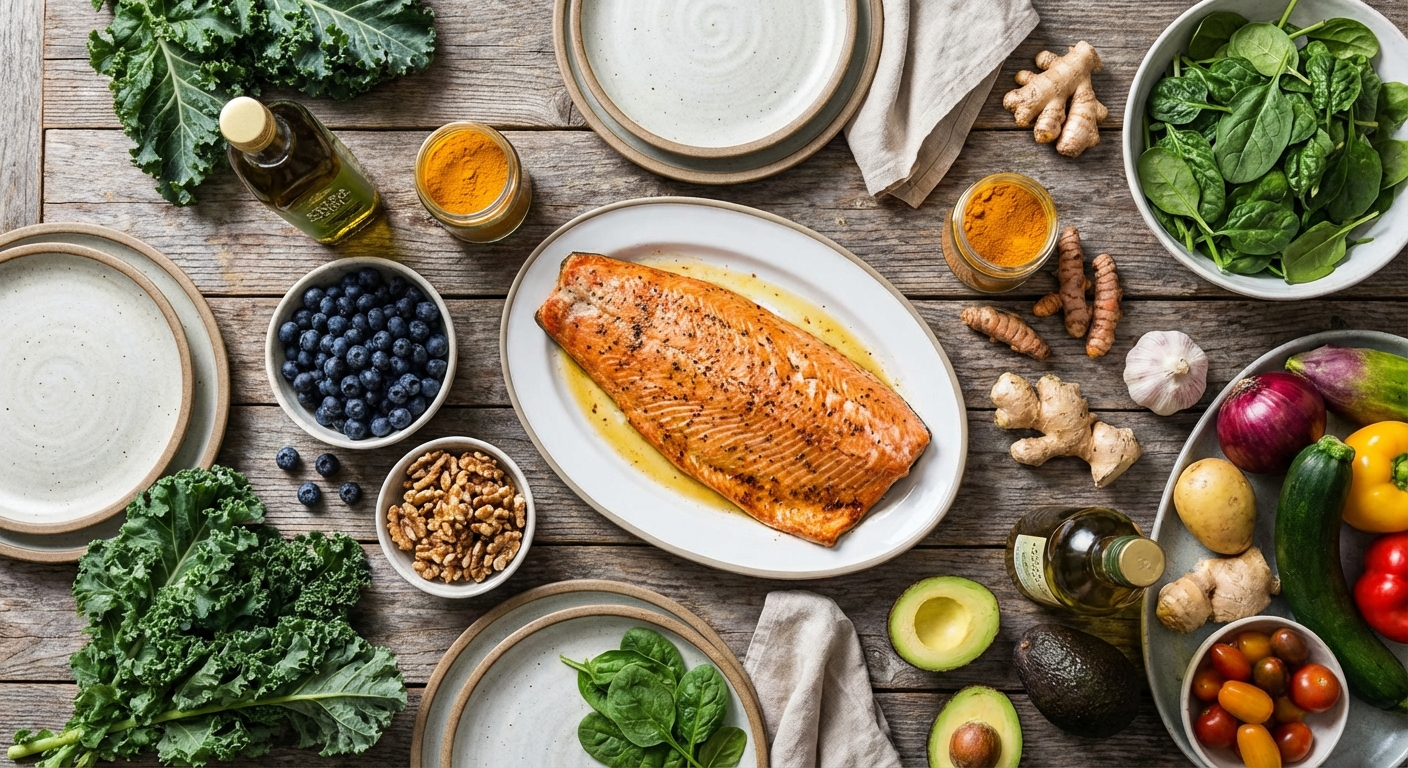
Fatty fish — salmon, sardines, mackerel, herring, and anchovies — are the single most impactful dietary intervention for arthritis. They provide EPA (eicosapentaenoic acid) and DHA (docosahexaenoic acid), the omega-3 fatty acids with the strongest direct evidence for joint inflammation reduction.
A 2012 Cochrane review of 42 studies on omega-3 supplementation in RA found significant reductions in joint pain intensity, morning stiffness duration, number of tender joints, and NSAID consumption. The benefits were dose-dependent, with higher intakes producing greater improvements.
Practical target: 3–4 servings of oily fish per week (approximately 120g per serving). Canned wild-caught salmon and sardines in olive oil are cost-effective, shelf-stable options. A single 100g tin of sardines provides roughly 1.5g of EPA + DHA plus vitamin D and calcium — all relevant to joint health.
Notably, nerve pain from sciatica also responds to anti-inflammatory foods — the same omega-3s and polyphenols that calm joint inflammation help manage nerve inflammation throughout the body.
Berries and Tart Cherries
Blueberries, strawberries, raspberries, blackberries, and especially tart cherries are loaded with anthocyanins — the plant pigments responsible for their deep red, blue, and purple colours. Anthocyanins are potent NF-κB inhibitors with documented effects on both CRP and uric acid levels.
Tart cherries deserve particular attention for arthritis. A 2012 study in the Journal of Functional Foods found that 240ml of tart cherry juice twice daily for six weeks reduced CRP by 25% in osteoarthritis patients, with significant improvements in WOMAC pain and function scores. For gout specifically, a 2012 study in Arthritis & Rheumatism found cherry intake was associated with a 35% lower risk of gout attacks.
Practical target: 1–2 cups of mixed berries daily, fresh or frozen. Frozen berries retain their anthocyanin content and are more affordable year-round.
Leafy Green Vegetables
Spinach, kale, Swiss chard, collard greens, and rocket provide vitamin K (which regulates inflammatory mediators), carotenoids (lutein, zeaxanthin, and beta-carotene with antioxidant activity), and folate (which supports immune regulation). Their high fibre content feeds beneficial gut bacteria that produce anti-inflammatory short-chain fatty acids.
A 2017 study in the Journal of the Academy of Nutrition and Dietetics found that higher vegetable intake — particularly cruciferous and leafy green vegetables — was associated with lower serum concentrations of IL-6 and TNF-α in women with RA.
Extra Virgin Olive Oil
The polyphenol oleocanthal, found exclusively in high-quality extra virgin olive oil (EVOO), has a molecular action remarkably similar to ibuprofen. Research published in Nature (2005) by Beauchamp et al. demonstrated that oleocanthal inhibits COX-1 and COX-2 enzymes at concentrations achievable through normal dietary intake.
The quality of your olive oil matters enormously. Genuine EVOO has a distinctive peppery catch at the back of the throat — that sensation is the oleocanthal. Refined olive oils, light olive oils, and heavily processed brands contain minimal oleocanthal.
Practical target: 2–4 tablespoons of high-quality EVOO daily as your primary cooking fat and salad dressing base.
For a deeper dive into the full spectrum of anti-inflammatory foods and their mechanisms, read our best anti-inflammatory foods guide.

Turmeric and Ginger
Curcumin, the active compound in turmeric, has been studied in over 150 clinical trials for inflammatory conditions. A 2016 systematic review and meta-analysis in the Journal of Medicinal Food found that curcumin supplementation significantly reduced pain and improved physical function in knee osteoarthritis patients, with effects comparable to ibuprofen in several head-to-head trials.
Critical absorption note: Curcumin has notoriously poor bioavailability when consumed alone — roughly 1% of oral curcumin reaches the bloodstream. Combining turmeric with black pepper (which contains piperine) increases absorption by up to 2,000%. Adding a fat source such as olive oil or coconut oil further enhances uptake. A turmeric latte made with water alone delivers almost no curcumin to your joints.
Ginger contains gingerols and shogaols that inhibit COX enzymes and pro-inflammatory cytokines through distinct pathways. A 2020 review in Phytotherapy Research found ginger supplementation produced statistically significant reductions in pain and stiffness in knee OA patients, particularly when consumed consistently over 8–12 weeks.
Practical recommendation: Add turmeric (with black pepper and a fat source) to curries, scrambled eggs, and smoothies. Use fresh ginger liberally in stir-fries, teas, and soups.
Walnuts, Almonds, and Seeds
Walnuts have the highest omega-3 content (as alpha-linolenic acid, ALA) of any nut, alongside vitamin E, polyphenols, and magnesium. While ALA conversion to EPA and DHA is limited (roughly 5–10%), walnuts provide complementary anti-inflammatory compounds not found in fish.
Almonds are the richest nut source of vitamin E, an antioxidant that protects joint tissue from oxidative damage. Flaxseeds and chia seeds provide additional ALA and lignans with anti-inflammatory properties.
Practical target: A small handful (30g) of mixed nuts daily. Choose raw or dry-roasted — avoid nuts roasted in vegetable oils, as the oxidised omega-6 coating counteracts the nut's anti-inflammatory properties.

Foods to Avoid with Arthritis
Reducing pro-inflammatory foods is just as important as increasing anti-inflammatory ones. These are the primary dietary drivers of joint inflammation.
Refined Sugar and High-Fructose Corn Syrup
Refined sugar triggers rapid blood glucose spikes that stimulate the production of advanced glycation end-products (AGEs) — molecules that directly activate NF-κB and increase pro-inflammatory cytokine output. Fructose is metabolised to uric acid in the liver, which is particularly harmful for gout but also exacerbates inflammation in OA and RA.
A 2014 study in the American Journal of Clinical Nutrition found that consuming just two sugar-sweetened drinks per day increased CRP levels by 26% compared to baseline, even after adjusting for body weight.
Action step: Eliminate sodas, fruit juices with added sugar, sweets, and baked goods. Replace with whole fruit, which contains fibre that slows sugar absorption and polyphenols that counteract inflammation.
Processed and Red Meat
Red and processed meats contain arachidonic acid (a direct precursor to pro-inflammatory prostaglandins and leukotrienes), saturated fats that activate NF-κB through toll-like receptor 4 (TLR4), and AGEs formed during high-temperature cooking. Processed meats additionally contain nitrites and preservatives linked to increased systemic inflammation.
A 2017 cohort study in BMJ following over 70,000 women found that higher red and processed meat consumption was associated with increased risk of inflammatory polyarthritis.
Action step: Replace red meat with oily fish 2–3 times per week. When you do eat meat, choose lean poultry and use low-temperature cooking methods (braising, slow cooking) that produce fewer AGEs.
Fried Foods and Trans Fats
Deep frying creates AGEs and oxidises the cooking oil, generating inflammatory compounds. Trans fats (partially hydrogenated oils) directly increase IL-6, TNF-α, and CRP levels. While industrially produced trans fats are being phased out of the food supply, they persist in many fried fast foods, commercial baked goods, and margarine.
Vegetable Oils High in Omega-6
Corn, soybean, sunflower, and safflower oils are extremely high in omega-6 linoleic acid. The modern Western diet provides an omega-6 to omega-3 ratio of roughly 15–20:1, far above the optimal 4:1 or lower. Excess omega-6 is converted to arachidonic acid, which feeds directly into pro-inflammatory prostaglandin and leukotriene production.
Action step: Replace vegetable oils with extra virgin olive oil, avocado oil, or small amounts of coconut oil for cooking.
Excessive Alcohol
Alcohol increases intestinal permeability (leaky gut), allowing bacterial endotoxins into the bloodstream where they trigger systemic inflammation. It impairs the liver's uric acid clearance, provoking gout flares, and more than one drink per day is associated with elevated CRP in multiple population studies.

7-Day Anti-Inflammatory Meal Plan for Arthritis
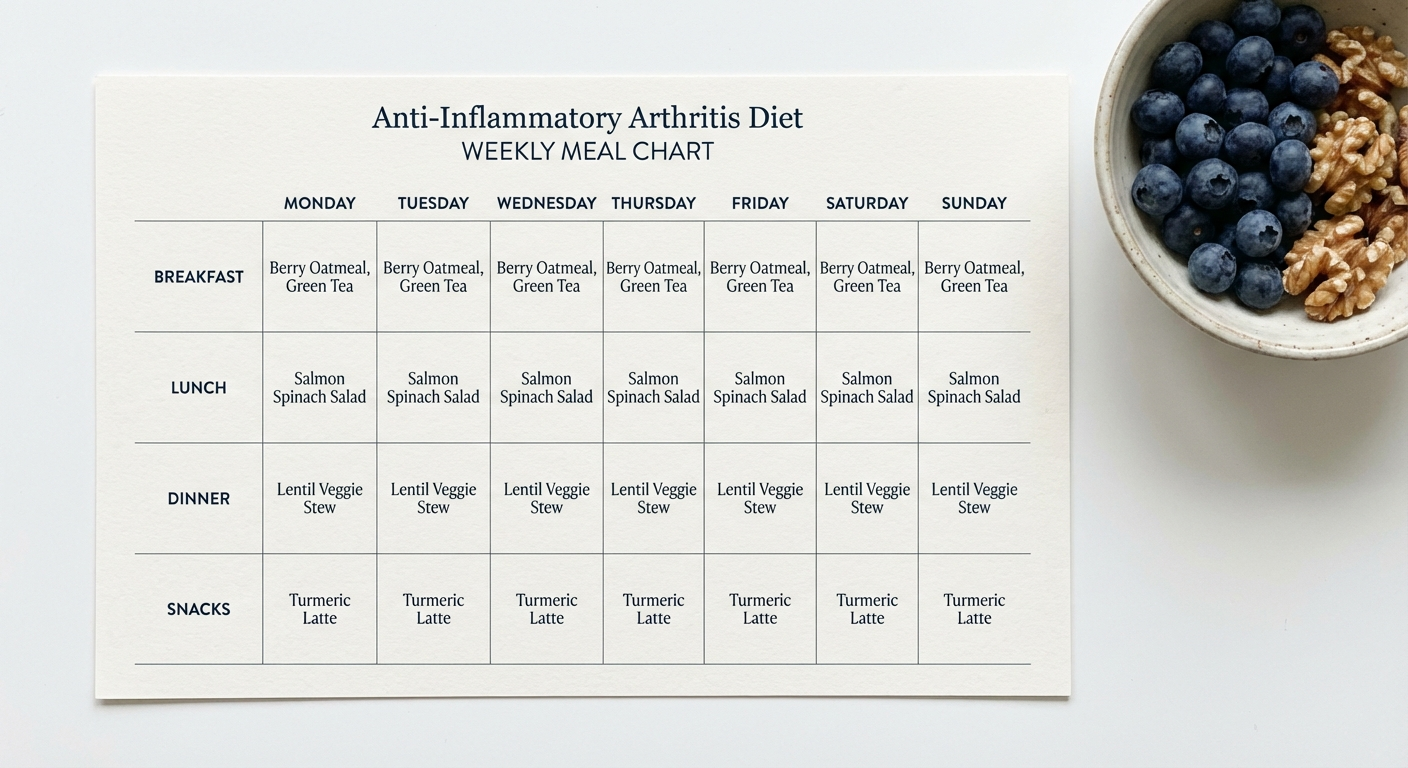
This seven-day plan follows the Mediterranean dietary pattern with arthritis-specific modifications. Every day includes omega-3 sources, polyphenol-rich produce, and turmeric or ginger. All meals can be batch-prepped on a Sunday to simplify weekday cooking.
Day 1 — Monday
- Breakfast: Overnight oats with blueberries, ground flaxseed, walnuts, and a drizzle of honey
- Lunch: Canned sardines on whole grain toast with cucumber, lemon juice, and EVOO
- Dinner: Baked wild salmon with roasted sweet potato, steamed broccoli, and a turmeric-tahini drizzle
- Snack: Handful of almonds with green tea
Day 2 — Tuesday
- Breakfast: Scrambled eggs with baby spinach, cherry tomatoes, turmeric, and black pepper, cooked in olive oil
- Lunch: Red lentil soup with ginger, turmeric, and cumin, served with whole grain bread
- Dinner: Stir-fried tofu with ginger, garlic, bok choy, and brown rice
- Snack: Apple slices with almond butter
Day 3 — Wednesday
- Breakfast: Greek yogurt with mixed berries (blueberries, raspberries, strawberries) and a tablespoon of ground flaxseed
- Lunch: Chickpea and roasted vegetable salad with rocket, feta, and EVOO lemon dressing
- Dinner: Grilled mackerel with steamed kale, quinoa, and a ginger-soy glaze
- Snack: Carrot sticks with hummus and ginger tea
Day 4 — Thursday
- Breakfast: Tart cherry smoothie with spinach, turmeric, black pepper, banana, and unsweetened almond milk
- Lunch: Black bean and avocado wrap in whole grain tortilla with salsa and mixed greens
- Dinner: Chicken and vegetable curry with turmeric, ginger, and light coconut milk over brown rice
- Snack: Walnuts and dark chocolate (70%+ cocoa, 2 squares)
Day 5 — Friday
- Breakfast: Whole grain porridge with banana, cinnamon, chia seeds, and a handful of blueberries
- Lunch: Tuna and white bean salad with rocket, sun-dried tomatoes, olive oil, and lemon juice
- Dinner: Baked cod with garlic, tomatoes, olives, and capers, served with whole grain couscous and steamed green beans
- Snack: Edamame with sea salt and green tea
Day 6 — Saturday
- Breakfast: Two-egg omelette with turmeric, spinach, mushrooms, and diced tomato
- Lunch: Roasted beetroot and walnut salad with goat cheese, mixed greens, and balsamic glaze
- Dinner: Slow-cooked lentil dal with ginger, garlic, and cumin, served with cauliflower rice and a side of fermented kimchi
- Snack: Mixed berry smoothie bowl
Day 7 — Sunday
- Breakfast: Avocado on whole grain sourdough with poached eggs, chilli flakes, and a side of sautéed greens
- Lunch: Grilled salmon wrap with mixed greens, cucumber, red onion, and tahini dressing
- Dinner: Stuffed bell peppers with ground turkey, quinoa, tomatoes, herbs, and a turmeric-EVOO drizzle
- Snack: Trail mix with dried tart cherries, dark chocolate chips, walnuts, and pumpkin seeds
Supplement Recommendations for Arthritis
Supplements work best alongside a solid anti-inflammatory dietary foundation — they don't replace real food. These three have the strongest evidence specifically for arthritis.
For a comprehensive breakdown of dosing, brands, and mechanisms, see our full anti-inflammatory supplements guide.

Omega-3 Fish Oil (EPA + DHA)
Dose: 2–4g combined EPA/DHA daily
Evidence: Cochrane-reviewed: reduces joint pain, morning stiffness, and tender joint count in RA. Dose-dependent benefits documented across 42 studies.
What to look for: Triglyceride form (better absorbed), third-party tested for mercury and PCBs, IFOS 5-star rated
Check Price on Amazon →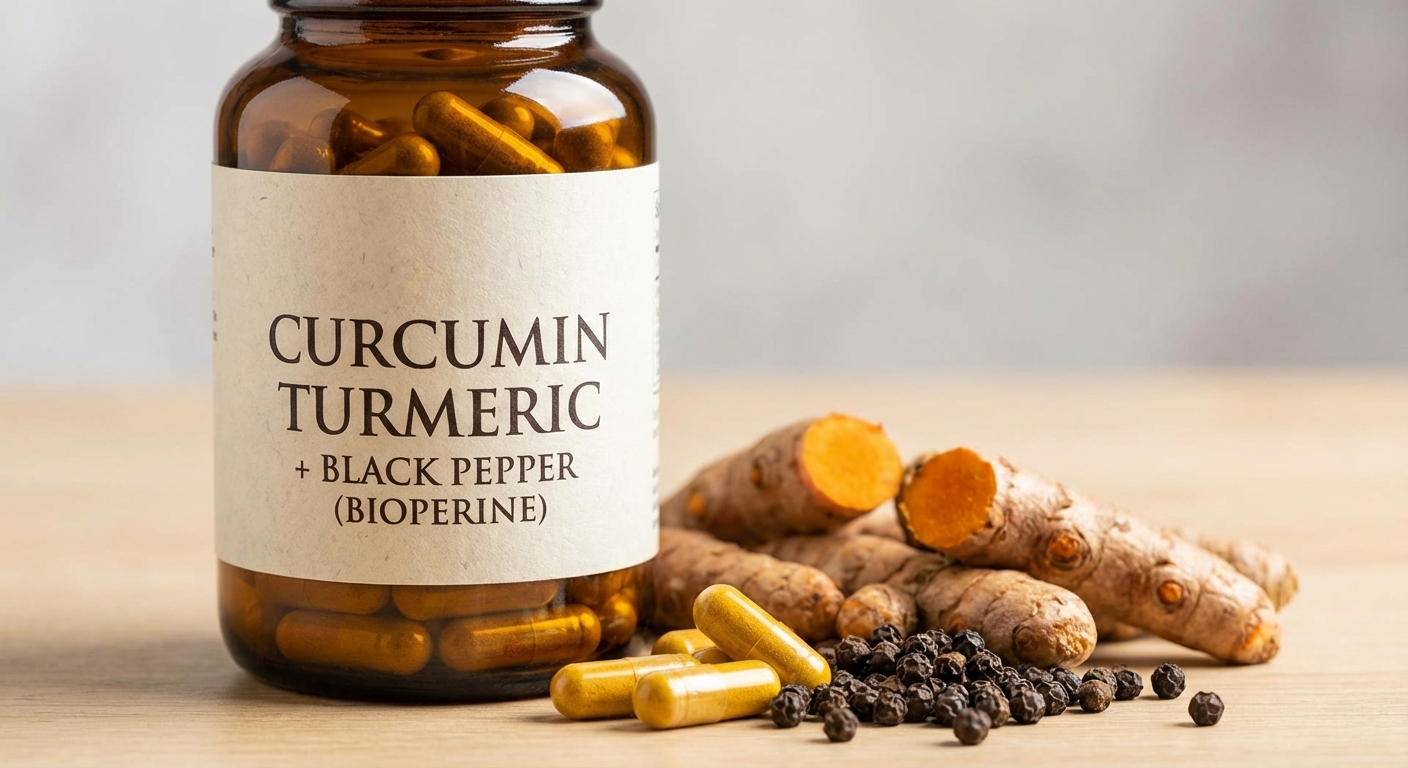
Curcumin with BioPerine
Dose: 500–1,000mg curcumin + 5–20mg piperine daily
Evidence: Multiple RCTs show pain reduction comparable to ibuprofen in knee OA. 2016 meta-analysis confirms significant benefit for joint function.
What to look for: Standardised curcuminoid content (95%), paired with BioPerine or Meriva for enhanced absorption
Check Price on Amazon →
Glucosamine + Chondroitin
Dose: 1,500mg glucosamine + 1,200mg chondroitin daily
Evidence: The GAIT trial (NIH-funded) found the combination significantly reduced pain in moderate-to-severe knee OA. Most effective for cartilage-based osteoarthritis.
What to look for: Glucosamine sulfate (not HCl), pharmaceutical-grade chondroitin, USP-verified
Check Price on Amazon →How to Layer Supplements with Diet
The most effective approach combines all three with a strong dietary base:
- Foundation: Follow the Mediterranean dietary pattern described above — no supplement compensates for a pro-inflammatory diet
- Fish oil: If you cannot consistently eat oily fish 3–4 times per week, add a high-potency fish oil supplement
- Curcumin: Take daily with a meal that contains fat and black pepper for maximum absorption
- Glucosamine + chondroitin: Most relevant for OA patients. Benefits take 8–12 weeks to become apparent — this is not a quick-relief supplement
Always consult your rheumatologist or doctor before starting supplements, particularly if you take blood-thinning medications (fish oil and curcumin both have mild anticoagulant effects) or are immunocompromised.
Putting It All Together
Building Your Arthritis Diet: A Step-by-Step Approach
Overhauling your entire diet overnight rarely works. A phased approach is more sustainable and still produces measurable results.
Week 1–2: The Swap Phase Replace vegetable oils with extra virgin olive oil. Switch from white bread, pasta, and rice to whole grain versions. Swap one red meat meal per week with oily fish (salmon, sardines, or mackerel).
Week 3–4: The Add Phase Introduce a daily serving of berries (fresh or frozen). Add turmeric with black pepper to at least one meal daily. Include a handful of walnuts or almonds as a daily snack. Begin drinking green tea (3–4 cups daily).
Week 5–8: The Eliminate Phase Remove sugar-sweetened beverages entirely. Cut processed and fast food to once per week or less. Reduce alcohol to no more than one drink per day (or eliminate for maximum benefit).
Week 9+: Optimise and Maintain By this point, most people report noticeable improvements in joint stiffness and pain. Continue refining your meals toward the Mediterranean pattern. Consider adding targeted supplements if dietary intake alone is insufficient.
Tracking Your Progress
Keep a simple food-and-symptom journal for the first 12 weeks. Rate your daily joint pain and morning stiffness on a 1–10 scale alongside what you ate. Patterns will emerge quickly — you'll identify which foods reliably reduce or worsen your symptoms, allowing you to personalise the general framework to your specific response.
If your doctor monitors your CRP levels, request a baseline test before starting and a follow-up at 8–12 weeks. The objective data is motivating and helps your medical team adjust your treatment plan.

Frequently Asked Questions
What is the best diet for arthritis? The Mediterranean diet is the most evidence-backed dietary pattern for arthritis management. Rich in omega-3 fatty acids from fish, antioxidants from vegetables and fruits, and anti-inflammatory compounds from olive oil and whole grains, it reduces inflammatory markers like CRP by up to 30% and has been shown to reduce joint pain and improve function in rheumatoid and osteoarthritis patients.
What foods make arthritis worse? Ultra-processed foods, refined sugars, red and processed meats, fried foods, and excessive alcohol are the primary dietary triggers for arthritis flare-ups. These foods promote the production of pro-inflammatory cytokines including TNF-alpha and IL-6 that directly worsen joint inflammation.
Can diet cure arthritis? Diet cannot cure arthritis, but it is a powerful management tool. Dietary changes can reduce inflammation, decrease pain medication requirements, and slow joint damage progression. The anti-inflammatory diet works alongside medical treatment — it does not replace it.
Is turmeric good for arthritis? Yes, curcumin (the active compound in turmeric) has documented anti-inflammatory effects. A 2016 meta-analysis in the Journal of Medicinal Food found curcumin supplements reduced arthritis pain and inflammation. The challenge is bioavailability: curcumin is poorly absorbed without piperine (black pepper extract), which enhances absorption by 2,000%.
How long does it take for diet changes to help arthritis? Most people notice improvements in joint pain and stiffness within 4–8 weeks of consistently following an anti-inflammatory diet. Measurable reductions in inflammatory markers like CRP typically take 8–12 weeks. Maintaining dietary changes long-term produces compounding benefits for joint health.
Should I take glucosamine for arthritis? Glucosamine + chondroitin is most effective for osteoarthritis (cartilage-based arthritis), not rheumatoid arthritis. The NIH-funded GAIT trial found the combination significantly reduced pain in moderate-to-severe knee OA. Choose glucosamine sulfate over glucosamine HCl, and expect 8–12 weeks before benefits become apparent.
Author Bio
Dr. Sarah Mitchell holds a PhD in Nutritional Biochemistry and has spent 12 years researching dietary interventions for inflammatory conditions. She has reviewed hundreds of clinical studies on anti-inflammatory nutrition and consults for several health organisations on evidence-based nutrition communication. Her work focuses on translating complex biochemistry into practical dietary strategies for people living with chronic inflammation.
| Supplement | Evidence Level | Daily Dose | Primary Benefit |
|---|---|---|---|
| Omega-3 (Fish Oil) | Strong | 2-4g EPA/DHA | Suppresses TNF-alpha, IL-6 |
| Curcumin + Piperine | Good | 500-1000mg | Blocks NF-kB pathway |
| Vitamin D3 + K2 | Good | 2000-4000 IU | Immune regulation |
| Boswellia | Moderate | 100-250mg AKBA | 5-LOX enzyme inhibition |
| Ginger Extract | Moderate | 250-500mg | COX enzyme inhibition |
Sources
-
Schwingshackl, L. & Hoffmann, G. "Mediterranean dietary pattern, inflammation and endothelial function: A systematic review and meta-analysis of intervention trials." Nutrition, Metabolism & Cardiovascular Diseases, 2014. doi:10.1016/j.numecd.2014.03.003
-
Daily, J.W. et al. "Efficacy of Turmeric Extracts and Curcumin for Alleviating the Symptoms of Joint Arthritis: A Systematic Review and Meta-Analysis of Randomized Clinical Trials." Journal of Medicinal Food, 2016. 19(8):717–729. doi:10.1089/jmf.2016.3705
-
Beauchamp, G.K. et al. "Phytochemistry: ibuprofen-like activity in extra-virgin olive oil." Nature, 2005. 437:45–46. doi:10.1038/437045a
-
Schumacher, H.R. et al. "Randomised double-blind crossover study of the efficacy of cherry juice for treatment of osteoarthritis of the knee." Osteoarthritis and Cartilage, 2012. doi:10.1016/j.joca.2012.05.060
-
Clegg, D.O. et al. "Glucosamine, chondroitin sulfate, and the two in combination for painful knee osteoarthritis." New England Journal of Medicine (GAIT trial), 2006. 354(8):795–808. doi:10.1056/NEJMoa052771
-
Miles, E.A. & Calder, P.C. "Influence of marine n-3 polyunsaturated fatty acids on immune function and a systematic review of their effects on clinical outcomes in rheumatoid arthritis." British Journal of Nutrition, 2012. 107(S2):S171–S184. doi:10.1017/S0007114512001560
-
Forsyth, C. et al. "Increased intestinal permeability correlates with sigmoid mucosa alpha-synuclein staining and endotoxin exposure markers in early Parkinson's disease." PLoS ONE, 2011. doi:10.1371/journal.pone.0028032
-
Hu, Y. et al. "Mediterranean diet and incidence of rheumatoid arthritis in women." Arthritis Care & Research, 2020. 72(11):1543–1551. doi:10.1002/acr.24256
This article is for informational purposes only and does not constitute medical advice. Always consult your doctor or rheumatologist before making significant dietary changes or starting supplements, particularly if you take medications for arthritis.