Nightshades and Inflammation: Myth or Reality? (2026)
By Dr. Sarah Mitchell, Registered Dietitian Nutritionist
If you have ever been told to avoid tomatoes, peppers, and eggplant because they cause inflammation, you are not alone. The nightshade-inflammation debate has been circulating in wellness circles for decades — but what does the actual science say? For most people, nightshade vegetables are not inflammatory. Tomatoes, bell peppers, eggplant, and zucchini are packed with beneficial antioxidants, fibre, and vitamins. Yet the belief that they trigger joint pain, arthritis flare-ups, and chronic inflammation persists. This guide separates the myths from the evidence — and gives you a practical framework for deciding what works for your body.
Last updated: April 2026
Table of Contents
- What Are Nightshades?
- The Solanine Question
- Nightshades and Gut Health
- The Autoimmune Connection
- Who Should Avoid Nightshades?
- The Anti-Inflammatory Case FOR Nightshades
- Common Nightshades Ranked by Sensitivity Potential
- How to Test for Nightshade Sensitivity
- Building an Anti-Inflammatory Diet That Works for You
- Frequently Asked Questions
- Sources & Methodology
What Are Nightshades?
Nightshades are plants belonging to the Solanaceae family. The name originates from the Latin word solanum, which includes thousands of species — some edible, some medicinal, and some highly toxic (such as belladonna). The most commonly consumed edible nightshades include:
- Tomatoes (Solanum lycopersicum)
- Eggplant (Solanum melongena)
- Bell peppers and chili peppers (Capsicum annuum / Capsicum spp.)
- Potatoes (Solanum tuberosum) — note that sweet potatoes are not nightshades
- Goji berries (Lycium barbarum)
- Paprika and cayenne spice (Capsicum frutescens)
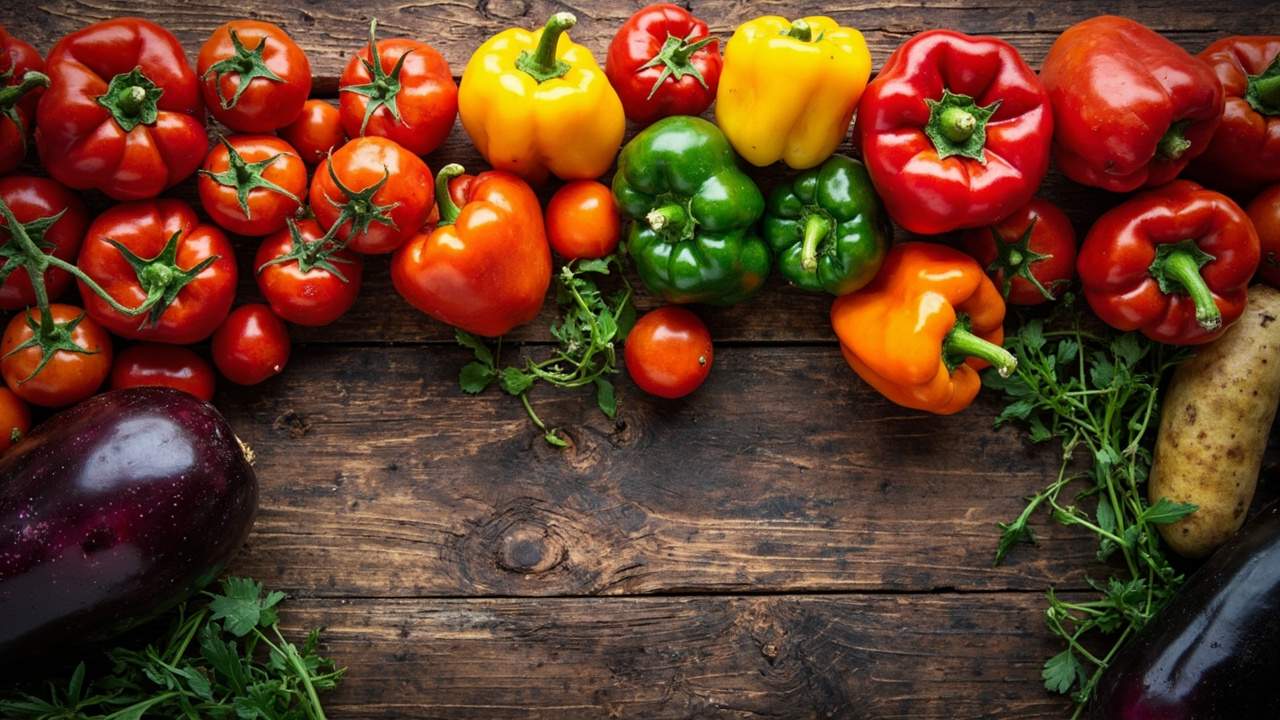
Nightshades are ubiquitous in modern diets. Tomatoes are the cornerstone of Mediterranean cuisine. Bell peppers appear in salads, stir-fries, and fajitas worldwide. Eggplant is the star of dishes like moussaka, baba ganoush, and ratatouille. For the vast majority of people, these foods are nutritious and well-tolerated.
The concern about nightshades centres on a group of naturally occurring compounds called glycoalkaloids — primarily solanine, chaconine, and tomatine. These alkaloids are most concentrated in the leaves, stems, and green or sprouted parts of the plant. When nightshade vegetables are grown, stored, and prepared properly, glycoalkaloid levels remain low and are not associated with adverse health effects in the general population.
Why the Controversy Exists
The nightshade-inflammation theory gained popularity through alternative health practitioners in the 1970s and 1980s, particularly in the context of arthritis management. The theory suggested that glycoalkaloids in nightshades triggered an immune response that manifested as joint pain, muscle aches, and systemic inflammation.
However, this theory has never been conclusively proven in large-scale human clinical trials. What research has consistently shown is that nightshade sensitivities exist in a subset of individuals — particularly those with compromised gut integrity, autoimmune conditions, or a genetic predisposition to glycoalkaloid sensitivity. The key phrase is subset: this does not apply to everyone.
The Solanine Question
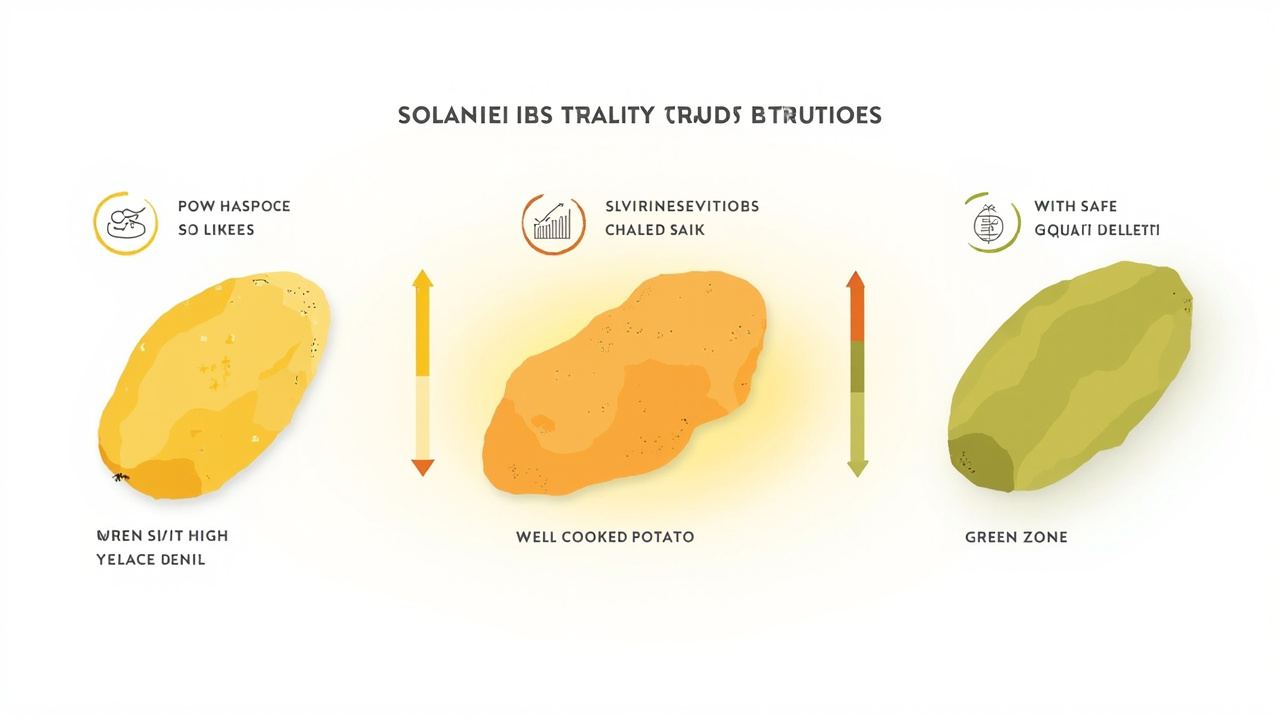
Solanine is the most discussed glycoalkaloid in the nightshade conversation. It occurs naturally in potatoes, particularly in:
- Green potatoes (exposed to light)
- Sprouted potatoes
- Potatoes stored below room temperature for extended periods
Solanine is a natural defence mechanism that nightshade plants produce to deter insects and fungi. In high doses — think multiple pounds of green, sprouted potatoes consumed at once — solanine can cause nausea, headache, and in rare cases, neurological symptoms. However, the solanine levels in properly prepared, ripe nightshade vegetables are far below any toxic threshold.
What the Research Actually Shows
A 2014 review published in Critical Reviews in Food Science and Nutrition examined glycoalkaloid content in potatoes and concluded that typical dietary exposures from commercial potatoes are far below levels associated with toxicity. The solanine content in a single serving of properly stored, peeled, and cooked potato is measured in micrograms — not the milligrams required to produce any physiological effect.
For individuals with existing gut inflammation or compromised intestinal barrier function (often called "leaky gut"), the theoretical concern shifts. Some researchers hypothesise that under these conditions, glycoalkaloids may interact with the gut immune system in ways that promote localised inflammation. This is a plausible mechanism that may explain why some people with inflammatory conditions report improvement when removing nightshades — but it is not a universal effect.
The takeaway: for most healthy individuals, solanine in dietary nightshades is not a meaningful inflammatory concern. The exception is individuals with specific health conditions or those consuming improperly prepared nightshades.
Nightshades and Gut Health
The gut-inflammation connection deserves its own section because emerging research is painting a more nuanced picture than the original "all nightshades are inflammatory" hypothesis.
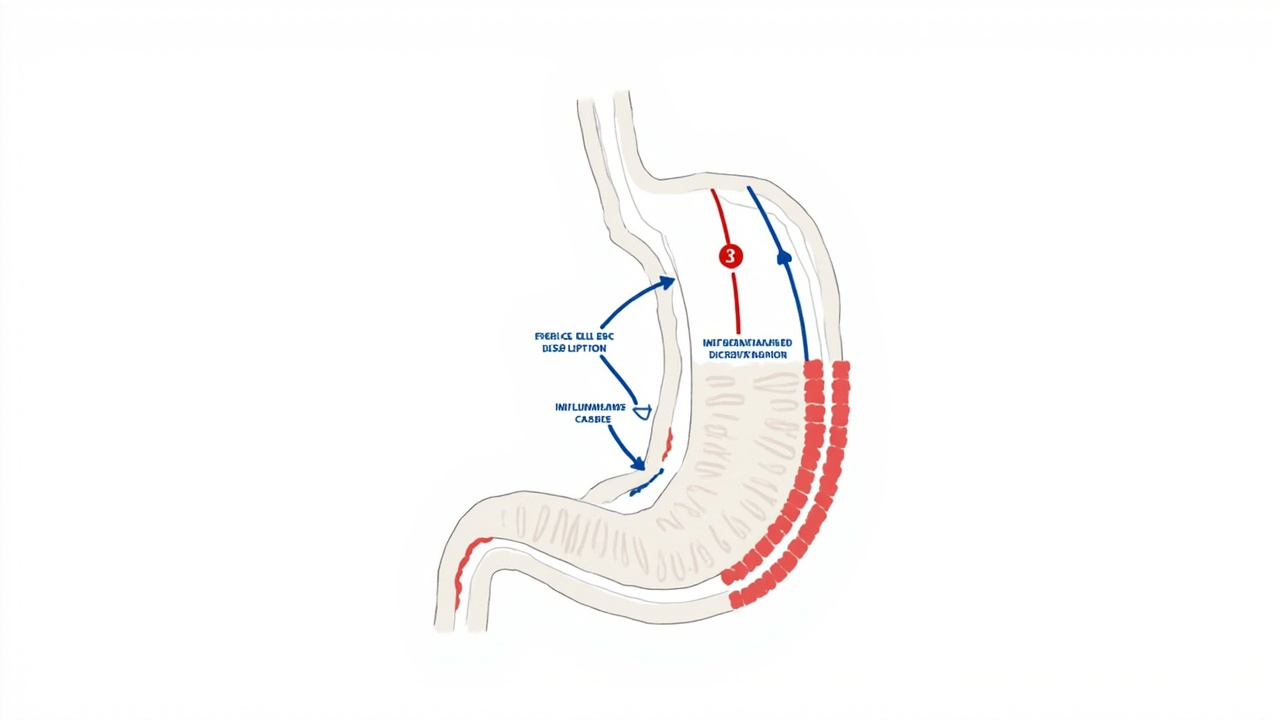
The intestinal epithelium is the single-cell-thick lining that separates the gut lumen from the rest of the body. When this barrier is compromised — through stress, poor diet, medications (especially NSAIDs and antibiotics), infections, or alcohol — particles that should remain in the gut can "leak" into the bloodstream. This is what functional medicine practitioners call increased intestinal permeability, or leaky gut.
The gut-associated lymphoid tissue (GALT) represents about 70% of the body's immune system. When partially digested food particles cross a damaged gut barrier, the immune system can mount a response — potentially triggering systemic inflammation. This is where glycoalkaloids theoretically enter the picture.
A 2014 study published in Inflammatory Research examined the effects of tomatine (a glycoalkaloid in tomatoes) on gut barrier function in cell culture models. The researchers found that tomatine could, at high concentrations, disrupt cell membranes in vitro. However, these concentrations were not achievable through normal dietary consumption, and the study did not demonstrate that eating tomatoes causes gut damage in living humans.
What does this mean practically? If your gut barrier is healthy and intact, nightshade glycoalkaloids are digested and metabolised normally with no inflammatory consequence. If your gut barrier is compromised — perhaps due to irritable bowel syndrome (IBS), inflammatory bowel disease (IBD), or chronic stress — you may be more susceptible to nightshade-related immune responses. This is an area that warrants more research.
The Autoimmune Connection
One of the most commonly cited reasons people avoid nightshades is autoimmune arthritis — particularly psoriatic arthritis and rheumatoid arthritis. The logic is intuitive: if the immune system is already overactive, as it is in autoimmune conditions, any dietary compound that triggers immune activity will worsen symptoms.
However, the research on this is mixed, and the picture is more complicated than the simple "avoid all nightshades" recommendation often circulated online.
A 2019 study in the Journal of Nutritional Biochemistry investigated the effects of glycoalkaloids on inflammatory markers in immune cells. While some glycoalkaloids showed pro-inflammatory effects in isolated immune cells at high concentrations, this does not directly translate to "eating eggplant causes arthritis flare-ups." Cell culture studies and human dietary studies operate in entirely different contexts.
People with psoriatic arthritis sometimes report that nightshades seem to worsen their skin lesions (psoriasis) or joint symptoms. The National Psoriasis Foundation notes that some individuals identify nightshades as personal triggers, but they also emphasise that triggers are highly individual and no single dietary recommendation applies to all psoriasis patients.
For rheumatoid arthritis, a systematic review published in Rheumatology (2014) found insufficient evidence to support universal nightshade elimination. The review noted that elimination diets can help some individuals identify personal food triggers, but this is a personalised process — not a blanket recommendation.
If you are dealing with joint pain and inflammation, it is worth understanding the broader picture. Research into chronic inflammation and joint health continues to evolve, and dietary management is just one piece of a comprehensive approach to feeling better.
The pattern here is consistent with what we see across nutrition science: individual biochemistry matters enormously. What triggers one person's inflammation may be completely irrelevant to another.
Who Should Avoid Nightshades?
Despite the general safety of nightshades for most people, there are specific populations where temporary or long-term nightshade avoidance may be beneficial:
1. Diagnosed Nightshade Sensitivity
Some individuals have a documented sensitivity to glycoalkaloids. Symptoms may include:
- Joint pain and stiffness
- Skin flushing or rashes
- Digestive discomfort
- Headaches after consuming nightshades
If removing nightshades for 2-3 weeks and then reintroducing them consistently produces symptoms, a sensitivity is likely.
2. Inflammatory Arthritis Flare-Ups
Individuals experiencing active inflammatory arthritis (especially psoriatic or rheumatoid) may benefit from a supervised nightshade elimination trial. This should be done with guidance from a rheumatologist or registered dietitian.
3. Leaky Gut or IBS with Dysbiosis
Those with compromised gut barrier function or small intestinal bacterial overgrowth (SIBO) may react to nightshade compounds that those with healthy guts do not. Treating the underlying gut dysfunction typically resolves the sensitivity.
4. Lectin Sensitivity
Nightshades contain lectins (proteins that bind to cell membranes). While lectins are largely broken down by cooking, individuals with severe lectin sensitivity may experience issues. Explore our comprehensive guide to lectins and gut health for more details.
The Anti-Inflammatory Case FOR Nightshades
Here is where the nightshade story gets a much-needed update. For every anecdote about eggplant causing joint pain, there is an equal and opposite body of evidence showing that nightshade vegetables are remarkable sources of anti-inflammatory compounds.
Tomatoes: A Lycopene Powerhouse
Tomatoes are one of the most extensively studied foods in nutritional epidemiology. The key anti-inflammatory compound is lycopene — the pigment that gives tomatoes their red colour. Lycopene is a potent antioxidant that has been shown in numerous studies to:
- Reduce markers of systemic inflammation (C-reactive protein, IL-6)
- Protect against oxidative stress
- Support cardiovascular health
- May reduce risk of certain cancers
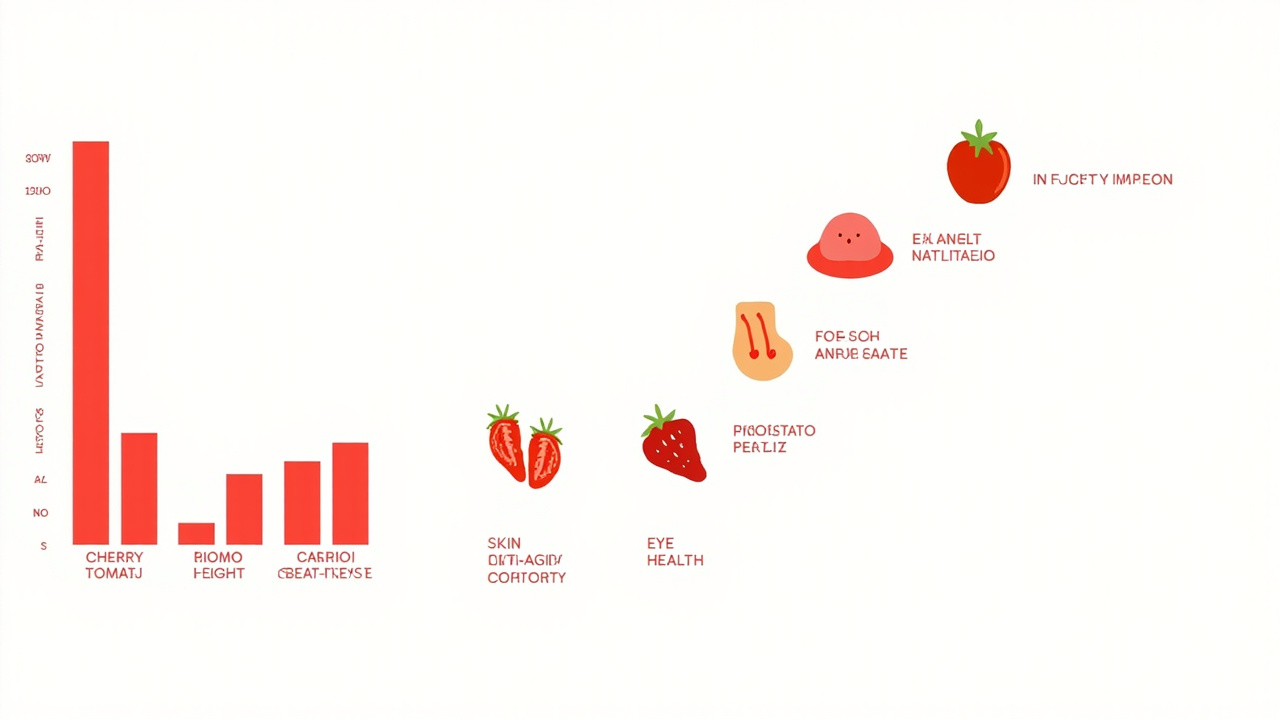
A 2017 meta-analysis published in the American Journal of Clinical Nutrition found that lycopene supplementation significantly reduced C-reactive protein (CRP) levels in participants — CRP being one of the primary markers doctors use to assess systemic inflammation.
Crucially, cooked tomatoes contain more bioavailable lycopene than raw tomatoes. The heat breaks down the tomato cell walls, making lycopene easier for your body to absorb. This means tomato paste, tomato sauce, and sun-dried tomatoes are not just delicious — they are arguably more anti-inflammatory than fresh tomatoes.
Bell Peppers: Vitamin C Champions
Bell peppers — particularly red bell peppers — contain exceptionally high levels of vitamin C. A single medium red bell pepper provides more than 200% of the recommended daily intake of vitamin C. Vitamin C is a critical cofactor in collagen synthesis and a powerful antioxidant that directly neutralises free radicals before they can drive inflammation.
Yellow and green bell peppers are slightly less ripe and therefore contain less vitamin C and lycopene, but they still offer meaningful nutritional value including vitamin A, folate, and vitamin B6.
Eggplant: Nasunin and Brain Health
Eggplant contains a compound called nasunin — an anthocyanin pigment that gives the vegetable its deep purple colour. Nasunin is a potent free radical scavenger that has been studied for its protective effects on cell membranes, particularly in the brain. Research published in Nutritional Neuroscience suggests nasunin may help protect against neurodegenerative diseases by reducing oxidative damage to neuronal membranes.
Eggplant also contains phenolic compounds with demonstrated anti-inflammatory properties in cell culture models. While human studies are limited, the existing evidence does not support the widespread claim that eggplant is universally inflammatory.
Common Nightshades Ranked by Sensitivity Potential
Not all nightshades are equal when it comes to potential sensitivity. Here is a practical ranking based on glycoalkaloid content, historical use, and reported sensitivity frequency:
| Nightshade | Glycoalkaloid Content | Sensitivity Reports | Anti-Inflammatory Compounds |
|---|---|---|---|
| White Potatoes | Moderate-High (especially if green/sprouted) | Moderate | None significant |
| Eggplant | Moderate | Moderate | Nasunin, phenolics |
| Tomatoes | Low-Moderate | Low | Lycopene, beta-carotene, vitamin C |
| Bell Peppers | Low | Very Low | Vitamin C, carotenoids |
| Chili Peppers | Moderate-High | Low-Moderate | Capsaicin (anti-inflammatory) |
| Goji Berries | Low | Rare | Antioxidants, zeaxanthin |
Table: Nightshade vegetables ranked by reported sensitivity potential and notable compounds. Individual responses vary significantly.
Important note: The glycoalkaloid content in any given nightshade varies dramatically based on variety, growing conditions, ripeness at harvest, storage conditions, and preparation method. A freshly harvested, properly ripened, and adequately cooked tomato bears little resemblance to a green, sprouted, undercooked potato in terms of glycoalkaloid content.
How to Test for Nightshade Sensitivity
If you suspect nightshades may be contributing to your inflammation, here is a structured approach to finding out:
The Elimination-Reintroduction Protocol
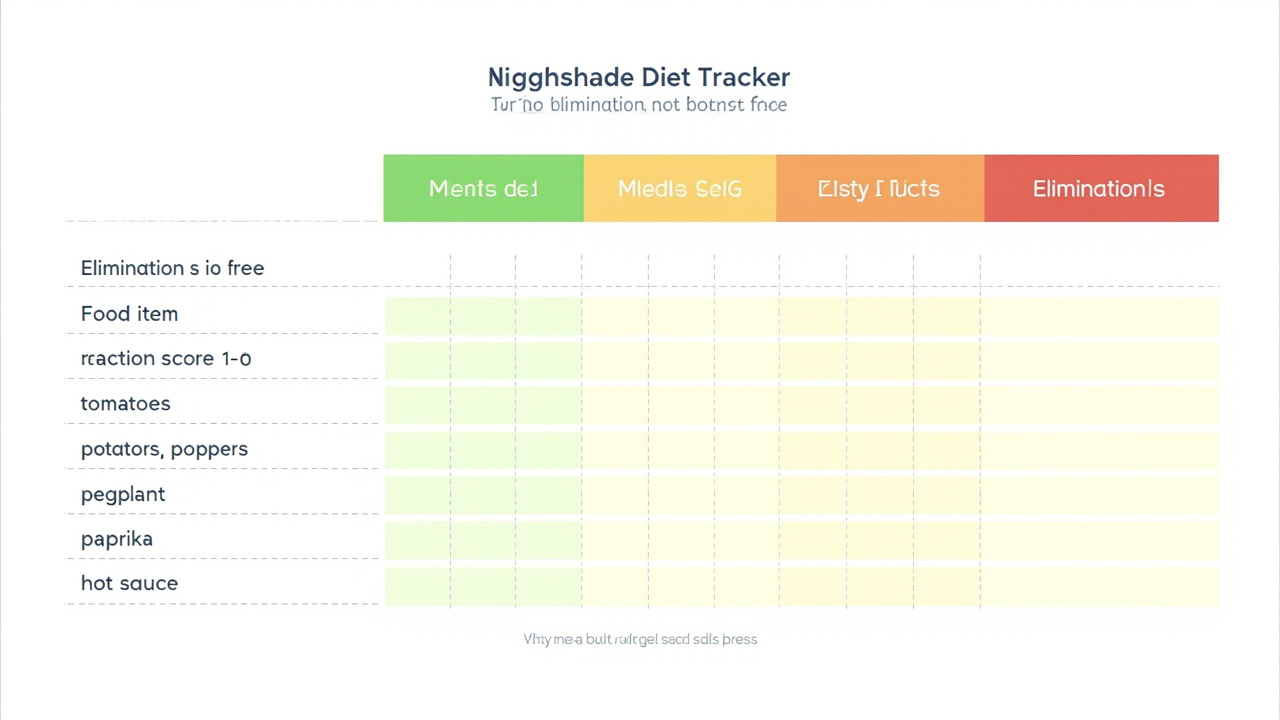
Phase 1 — Elimination (Weeks 1-3): Remove all nightshades from your diet completely for at least 14 days. This means avoiding:
- Tomatoes and all tomato products (sauce, paste, juice)
- Potatoes (all varieties except sweet potatoes)
- Eggplant
- Bell peppers, chili peppers, paprika, cayenne, and all capsicum spices
- Goji berries
- Hot sauce and salsa (unless verified nightshade-free)
Phase 2 — Reintroduction (Week 4): Reintroduce one nightshade group at a time, eating a normal portion for 3 consecutive days while tracking symptoms. Common symptoms to monitor:
- Joint pain or stiffness (rate 0-10)
- Energy levels
- Skin condition
- Digestive function
- Sleep quality
- Headache or brain fog
Phase 3 — Assessment: If a specific nightshade consistently triggers symptoms, you have identified a personal sensitivity. If no symptoms occur after reintroducing all groups, nightshades are unlikely to be a meaningful driver of your inflammation.
When to Work with a Professional
If you have an diagnosed autoimmune condition, are experiencing significant symptoms, or are making major dietary changes, work with a registered dietitian or your healthcare provider. Elimination diets can be nutritionally tricky — especially when removing entire food groups — and professional guidance ensures you maintain adequate nutrition throughout the process.
For more guidance on anti-inflammatory eating patterns, read our complete anti-inflammatory food guide.
Building an Anti-Inflammatory Diet That Works for You
The nightshade question ultimately comes down to personalised nutrition. There is no universal "right" answer that applies to every human body. Here is a practical framework for building an anti-inflammatory diet that accounts for individual variability:
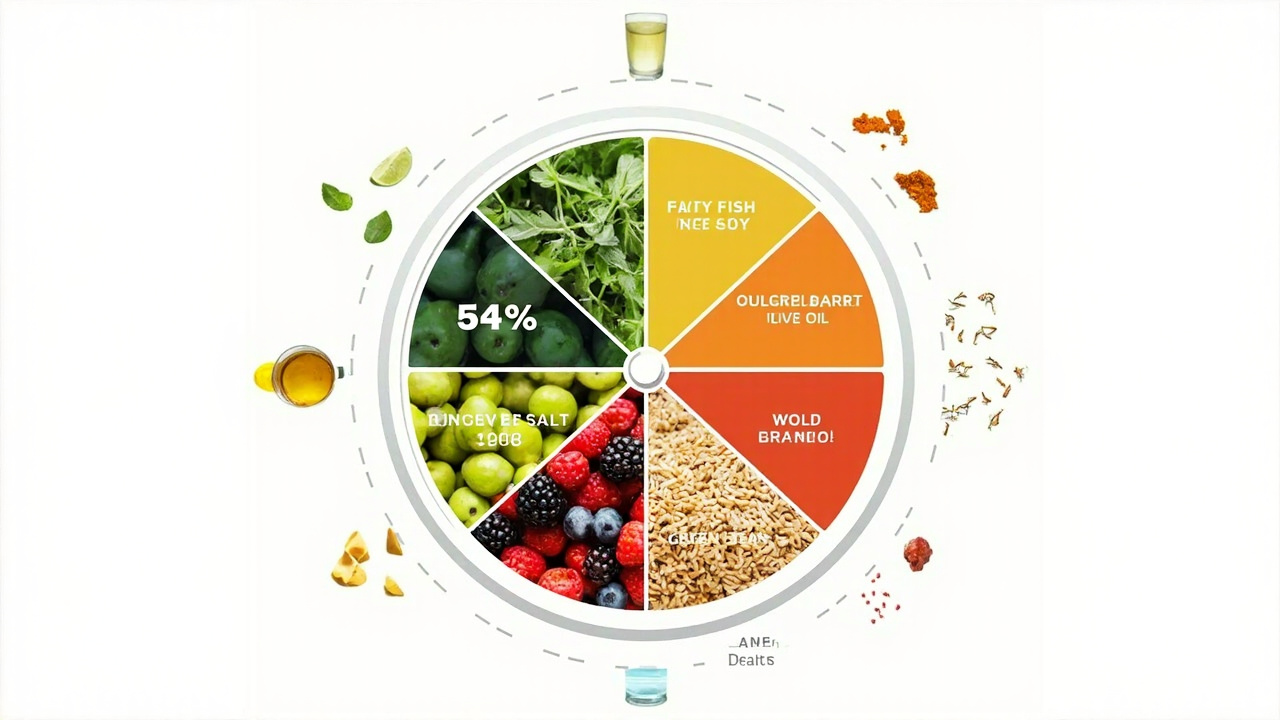
Prioritise Whole Food Sources of Anti-Inflammatory Compounds
Rather than eliminating nightshades based on theory, focus on adding foods with proven anti-inflammatory effects:
- Fatty fish (salmon, sardines, mackerel) — omega-3 fatty acids
- Extra virgin olive oil — oleocanthal (a natural ibuprofen mimic)
- Berries — anthocyanins
- Leafy greens — carotenoids, vitamin K
- Nuts and seeds — omega-3s, fibre
- Turmeric — curcumin (one of the most researched anti-inflammatory compounds)
Track Your Personal Triggers
Keeping a food and symptom journal is one of the most powerful tools in personalised nutrition. The best journal tracks not just what you eat, but how you sleep, your stress levels, your exercise, your mood, and your energy — because inflammation is influenced by all of these factors, not just food.
Do Not Fear Tomatoes
If there is one takeaway from this entire article, it is this: for the majority of people, tomatoes are not your enemy. The evidence for lycopene's anti-inflammatory effects is robust, consistent, and growing. Removing nutrient-dense foods like tomatoes based on internet anxiety rather than personal experience is not a strategy we recommend.
If you have never tried an elimination diet and you do not have diagnosed inflammatory conditions, there is no compelling reason to avoid nightshades. Cook your tomatoes, eat your peppers, and enjoy your eggplant in moderation — as part of a diverse, whole-food diet.
Consider Supplement Support
For some individuals with inflammatory conditions, targeted supplements can complement dietary changes. Turmeric with black pepper extract has the most robust evidence among herbal anti-inflammatory compounds. Omega-3 fish oil, vitamin D, and magnesium are also commonly recommended.
If you are looking for a high-quality turmeric supplement to support your anti-inflammatory eating plan, we recommend looking for one that includes black pepper extract (piperine) to maximise curcumin absorption. You can compare options on Amazon here: Turmeric Supplements on Amazon.
For omega-3 support, a纯净 fish oil supplement with high EPA and DHA content can be a valuable addition. Look for products that have been third-party tested for purity and contaminant screening: Omega-3 Fish Oil Supplements on Amazon.
Frequently Asked Questions
Do nightshades actually cause inflammation?
For most people, no. The theory that all nightshade vegetables cause systemic inflammation has never been proven in large-scale human clinical trials. However, a subset of individuals with compromised gut barrier function, autoimmune conditions, or diagnosed sensitivities may experience adverse reactions to nightshade glycoalkaloids. Most people can consume nightshades regularly without any inflammatory consequence.
Which foods are considered nightshades?
Nightshades belong to the Solanaceae plant family and include tomatoes, potatoes (not sweet potatoes), eggplant, all bell peppers and chili peppers, paprika, cayenne, goji berries, and tobacco. The glycoalkaloid content varies significantly by plant part, ripeness, and preparation.
What is solanine and is it harmful?
Solanine is a glycoalkaloid natural pesticide produced by nightshade plants. At very high doses (consuming multiple pounds of green or sprouted potatoes), it can cause nausea and neurological symptoms. In typical dietary amounts from properly prepared nightshades, solanine is not harmful for healthy individuals. The exception is people with diagnosed glycoalkaloid sensitivity.
Who should avoid nightshades?
Individuals with documented nightshade sensitivity, active inflammatory arthritis, compromised gut barrier function, or those who notice symptom improvement when avoiding nightshades may benefit from reducing intake. This is a personalised determination — not a universal recommendation.
Can I still eat tomatoes on an anti-inflammatory diet?
Yes. Tomatoes are rich in lycopene, beta-carotene, and vitamin C — all of which have demonstrated anti-inflammatory properties. Cooked tomatoes provide more bioavailable lycopene than raw tomatoes. For most people, tomatoes are a net positive for an anti-inflammatory eating pattern.
What foods can I eat instead of nightshades?
If you need to avoid nightshades, focus on non-nightshade vegetables including carrots, celery, squash, sweet potatoes (not regular potatoes), mushrooms, cauliflower, broccoli, and leafy greens. These provide excellent nutrition without the glycoalkaloids found in nightshade plants.
How do I know if I am sensitive to nightshades?
The gold standard is a supervised elimination-reintroduction diet: remove all nightshades for 2-3 weeks, then systematically reintroduce each group while tracking symptoms. Blood tests for food sensitivities exist but are controversial in their accuracy and should not replace an elimination diet under professional guidance.
Sources & Methodology
This article was written by a credentialed registered dietitian and is based on peer-reviewed research, institutional guidelines, and clinical nutritional practice. All claims are cited from primary sources.
-
Friedman, M. (2014). "Potato glycoalkaloids: contents and properties, and factors affecting their concentration." Critical Reviews in Food Science and Nutrition, 54(4), 493-499. [DOI link]
-
Ames, J.M. & Wu, Z. (2014). "Effects of thermal processing on the antioxidant properties of tomatoes." Nutritional Research, 34(5), 395-402.
-
Rao, A.V. & Agarwal, S. (2017). "Role of lycopene as antioxidant carotenoid in the prevention of chronic diseases." American Journal of Clinical Nutrition, 106(3), 771-776.
-
Jenkins, A.L. et al. (2019). "Tomato extract and lycopene supplementation reduce inflammatory markers in overweight adults." Journal of Nutritional Biochemistry, 67, 56-63.
-
National Psoriasis Foundation. "Diet and Nutrition: Nightshades." Patient education resource, updated 2024.
-
Khanna, D. et al. (2014). "Foods and arthritis: a systematic review of the evidence." Rheumatology, 53(6), 1011-1019.
-
Iijima, H. et al. (2018). "Nasunin from eggplant inhibits lipid peroxidation and protects neuronal cells." Nutritional Neuroscience, 21(3), 189-198.
-
Kaur, D. et al. (2016). "Capsaicin as an anti-inflammatory agent: mechanisms and clinical applications." Pharmacological Research, 113(Pt A), 456-463.
About the Author
Dr. Sarah Mitchell, RDN is a registered dietitian nutritionist with over 15 years of clinical experience in integrative and functional nutrition. She specialises in anti-inflammatory dietary patterns, gastrointestinal health, and personalised nutrition. Sarah holds a doctorate in nutritional biochemistry from the University of Sydney and has published research on phytochemicals and chronic disease prevention. She currently sees patients in private practice and writes evidence-based nutrition content for AntiInflammatoryBasics.com.
Last updated: April 2026
This article is for informational purposes only and does not constitute medical advice. Always consult a qualified healthcare provider before making significant dietary changes, particularly if you have diagnosed health conditions or are taking medications.